

DT at Monkfield Park Primary School:
Design and Technology at Monkfield Park Primary School is central to developing creative, practical and resilient learners who can design, make and evaluate purposeful products. Rooted in The Monkfield Way, our DT curriculum enables children to think imaginatively, work safely and apply knowledge and skills with increasing independence. It reflects our commitment to high expectations, inclusion and ambition, while preparing pupils to solve real problems through design, making and evaluation.
Key Aims
- Develop creativity and innovation by encouraging pupils to design purposeful, functional products for real users and specific purposes.
- Build practical making skills through the safe and accurate use of tools, materials, components and equipment.
- Strengthen technical knowledge across structures, mechanisms, electrical systems, textiles and food technology.
- Promote the design process through researching, planning, making, testing and evaluating.
- Encourage resilience and problem-solving so pupils learn to improve their work through trial, reflection and adaptation.
- Support collaboration and communication through discussion, teamwork and sharing ideas.
- Ensure progression from Early Years to Year 6 so that knowledge and skills are revisited, deepened and applied with increasing independence.
Content and Skills
Pupils develop secure, sequenced knowledge and practical skills across the following areas:
- Designing - generating ideas based on user needs, intended purpose and design criteria.
- Making - selecting and using appropriate materials, tools and techniques safely and effectively.
- Evaluating - testing, refining and improving products against design criteria and user feedback.
- Technical knowledge - understanding structures, mechanisms, levers, sliders, wheels, pulleys, electrical systems, textiles and food preparation.
- Cooking and nutrition - developing an understanding of healthy eating, seasonality, food groups and safe food preparation.
Teaching uses carefully sequenced lessons, explicit modelling and hands-on practical work. Pupils are supported to learn and apply vocabulary accurately, follow step-by-step instructions and explain their design choices. Retrieval practice and repetition help secure core knowledge, while opportunities for experimentation and reflection deepen understanding.
Progression
Learning objectives are mapped progressively across the primary phase so that:
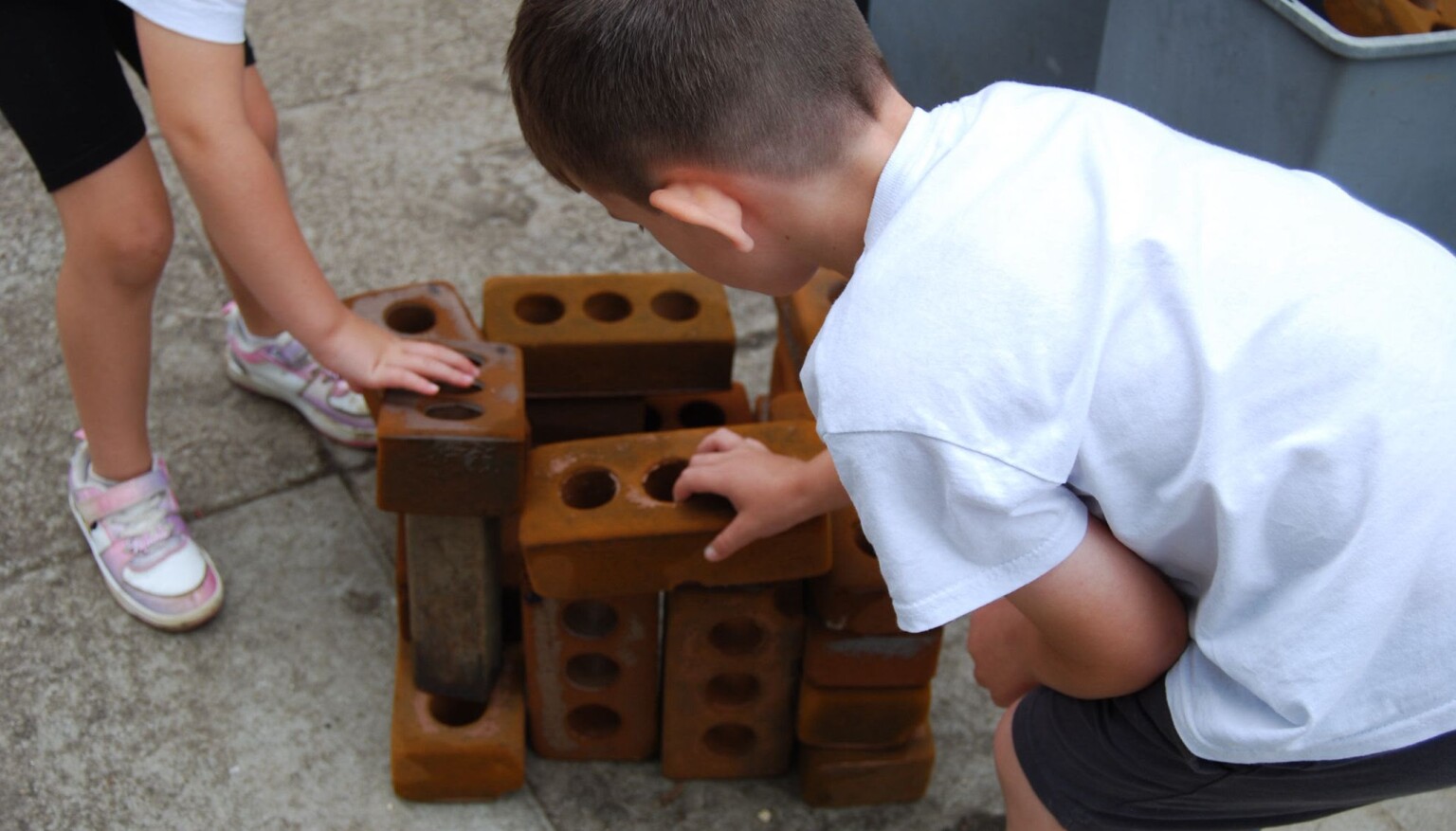
- Early Years focuses on exploring materials, joining, cutting, building and talking about simple design ideas.
- Key Stage 1 develops basic construction, joining, mechanisms, textiles and simple food preparation, alongside simple evaluation.
- Lower Key Stage 2 builds on this foundation through more purposeful design, stronger technical knowledge, improved precision and more independent evaluation.
- Upper Key Stage 2 develops greater control, creativity and technical understanding, with pupils designing for specific users, selecting materials with increasing justification and evaluating products more critically.
Progression ensures that pupils revisit key concepts regularly, apply learning in different contexts and develop confidence in using a wider range of tools and techniques safely. Differentiation and targeted support ensure all pupils, including those with SEND and EAL, can access practical tasks and make meaningful progress.
Wider Impact
Design and Technology underpins The Monkfield Way by nurturing pupils who are resourceful, reflective and ready to take on challenges. It supports personal development by encouraging perseverance, teamwork and pride in producing high-quality outcomes.
DT also contributes to:
- Oracy and vocabulary development through discussion of ideas, evaluation and technical language.
- Problem-solving and critical thinking through planning, testing and adapting products.
- Safeguarding and independence through the teaching of safe tool use and responsible decision-making.
- Cultural capital by exposing pupils to a range of designers, foods, materials and contexts from the wider world.
- Future readiness by laying foundations for practical skills, creativity and technical understanding that pupils will build on in later learning and everyday life.
Aspirational outcomes for pupils are that they leave Year 6 able to design thoughtfully, make accurately, evaluate critically and solve problems creatively. They will be confident, independent and reflective learners who understand how Design and Technology helps improve the world around them.