

Religion and Worldviews at Monkfield Park:
At Monkfield Park Primary School, we believe that high-quality Religion and Worldview Education (RW) is essential for enabling pupils to navigate and understand our diverse world. Our curriculum empowers children to acquire a comprehensive knowledge of Christianity, other principal world religions, and non-religious worldviews, while examining how these beliefs actively shape human life and behaviour.
We encourage an atmosphere of enquiry, debate, and independent reflection, where pupils are challenged to ask deep questions and relate their learning to their own values and experiences.
In partnership with our PSHE curriculum, RW plays a pivotal role in fostering social awareness, moral reasoning, and spiritual development. Furthermore, we explicitly promote fundamental British values, preparing our children to be responsible, inclusive UK citizens who actively respect the rights of others to hold different faiths and beliefs.
Key Aims
· To develop religious and worldview literacy. Pupils will build a secure, well-sequenced understanding of Christianity and a range of religious and non-religious worldviews, enabling them to interpret beliefs, practices, sources, symbols and experiences accurately.
· To nurture thoughtful, respectful enquiry. Pupils will ask increasingly sophisticated questions about meaning, truth, identity, belonging, values and human experience, learning to listen carefully and respond respectfully to different perspectives.
· To build informed understanding of diversity. Pupils will explore the lived reality of religious and non-religious communities locally, nationally and globally, recognising both commonality and diversity within and between traditions.
· To support personal and ethical development. Pupils will reflect on their developing ideas and values while considering moral questions, strengthening empathy, integrity, responsible decision-making and positive contribution to school and community life.
· To prepare pupils for life in modern Britain. Pupils will develop the knowledge, vocabulary and critical thinking needed to participate confidently and respectfully in a pluralistic society, while understanding the significance of religion and worldview in human culture and public life.
Content and Skills
· Beliefs, teachings and sources: Pupils will learn key beliefs, stories, concepts, scriptures and teachings associated with Christianity and selected religious and non-religious worldviews, distinguishing central ideas from individual interpretation.
· Practices, ways of life and lived experience: Pupils will explore prayer, worship, festivals, rites of passage, food, clothing, ethical choices, community life and personal commitment, recognising that people within a tradition may believe and practise differently.
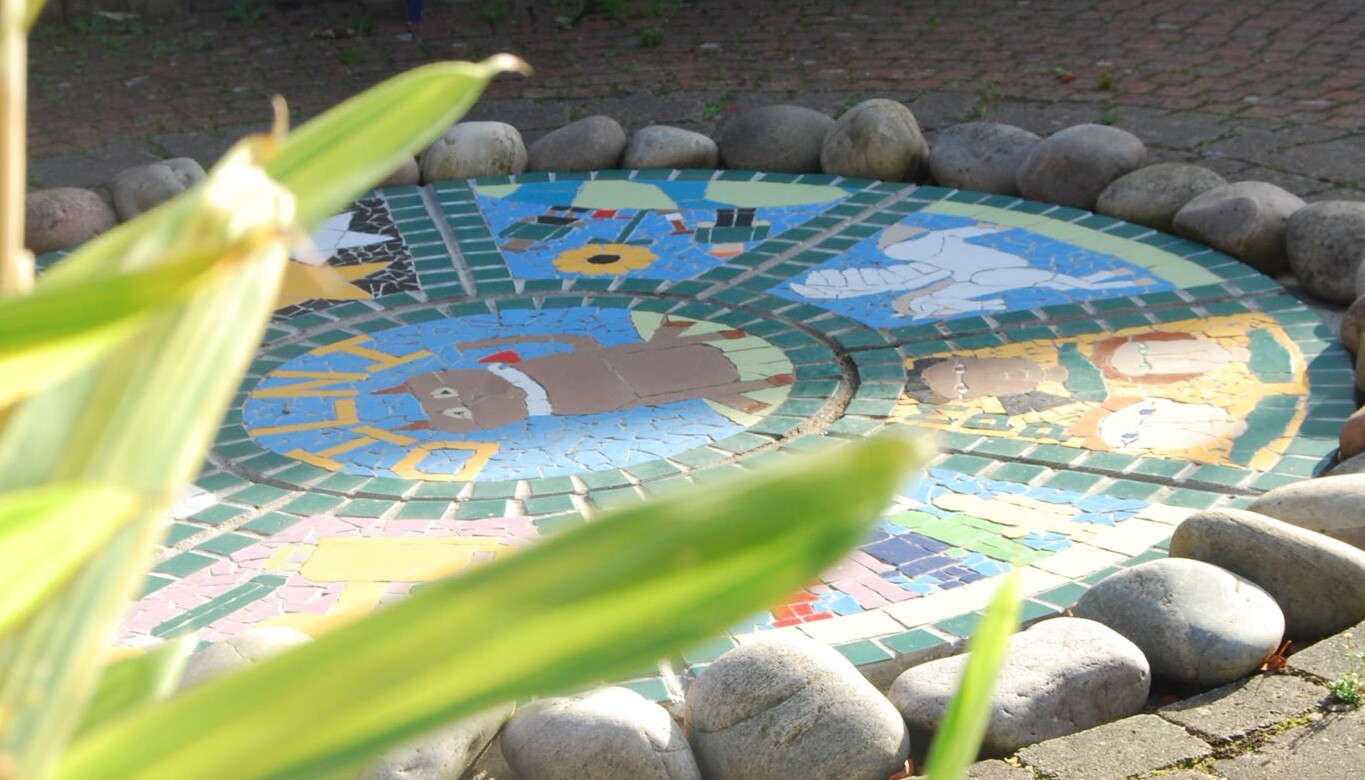
· Expression, symbolism and interpretation: Pupils will interpret religious and worldview language, art, music, architecture, objects and narratives, explaining how these communicate meaning and shape identity.
· Philosophical, ethical and theological enquiry: Pupils will formulate questions, use evidence, compare viewpoints, identify assumptions and reach balanced conclusions without treating all claims as equally supported.
· Reflection, communication and dialogue: Pupils will articulate their developing responses, listen to others, use subject-specific vocabulary and participate in respectful discussion, debate, writing, creative work and enquiry.
· Alignment with requirements: The curriculum will reflect the aims of the 2014 National Curriculum where relevant, including knowledge, vocabulary, spoken language, literacy, personal development and understanding of cultures. As religion and worldview is not part of the National Curriculum, provision will also follow the locally agreed syllabus and the school’s legal duty to provide religious education, with Christianity given appropriate prominence alongside other worldviews.
Progression
· Pre-School and Reception: Children will notice and talk about similarities and differences between themselves and others; encounter familiar religious and cultural celebrations, stories, objects and places; use simple language to express feelings and ideas; and begin to ask questions about belonging, specialness, care and celebration. The endpoint is an emerging recognition that people have different beliefs, practices and experiences.
· Key Stage 1: Pupils will study a range of religions including Christianity, Sikhism, Islam, Judaism and Secular worldviews. Through familiar stories, beliefs, practices, celebrations, places of worship, symbols and family or community life. They will identify core features, retell or describe examples, use basic vocabulary, make simple comparisons and respond to questions about belonging, right and wrong, specialness and meaning.
· Lower Key Stage 2: Pupils will deepen their understanding of Christianity and encounter a broader range of religious and non-religious worldviews through beliefs, sources, practices, communities and ethical issues. They will explain connections between beliefs and actions, compare similarities and differences, use evidence from sources and lived experience, and distinguish individual views from generalisations.
· Upper Key Stage 2: Pupils will study more complex theological, philosophical, ethical and worldview questions, including diversity within traditions, interpretation of sources, identity, justice, suffering, environmental responsibility, commitment and life’s big questions. They will evaluate claims, recognise perspective and context, construct reasoned arguments and apply understanding to unfamiliar situations.
· Year 6 transition endpoint: By the end of Year 6, pupils will have a coherent knowledge base across Christianity and a range of other religious and non-religious worldviews; command the vocabulary needed to discuss belief and practice; explain how worldviews influence individuals and communities; and engage confidently in thoughtful dialogue about meaning, morality, identity and diversity.
Wider Impact
· Pupils will encounter sacred and significant texts, religious art, music, architecture, festivals, objects, language and cultural traditions, developing the background knowledge needed to understand the local area, Britain and the wider world.
· Visits, visitors, artefacts, digital resources and carefully selected case studies will connect classroom learning with authentic lived experience, including local places of worship and community perspectives where appropriate.
· Pupils will learn about the contribution of religious and non-religious people and communities to art, literature, science, charity, public life, social action and social change, avoiding tokenistic or stereotypical representation.
· Structured reflection and dialogue will strengthen empathy, curiosity, resilience, moral reasoning, self-awareness and the ability to consider consequences before acting.
· The curriculum will support relationships, citizenship and personal development by helping pupils understand identity, belonging, freedom, responsibility, prejudice, fairness and the rights and dignity of others.