

PSHE at Monkfield Park:
Personal, Health, Social and Economic education (PHSE), including Relationships and Sex Education (RSE), at Monkfield Park Primary School is central to developing confident, responsible and tolerant children who love learning together. Rooted in The Monkfield Way, our PHSE/RSE curriculum supports children’s holistic development—emotionally, socially and morally—so they can thrive in our diverse community in Cambourne and beyond. It reflects our commitment to inclusion, mutual respect for a range of faiths and cultures, and prepares pupils for safe, healthy and fulfilling lives while meeting statutory expectations and priorities around safeguarding, personal development and a coherent, progressive curriculum.
Key Aims
- To ensure all pupils feel safe, seen and valued by teaching knowledge and skills that build resilience, emotional literacy and positive relationships.
- To develop pupils’ understanding of families, friendships, respect for differences (including faiths, cultures and protected characteristics), and the skills to manage conflict and peer influence.
- To equip pupils with age-appropriate knowledge about physical health, mental wellbeing, personal safety (including online safety), consent and boundaries that underpin safeguarding.
- To promote confidence, responsibility and leadership through pupil voice and active citizenship opportunities, aligned with school values and leadership development priorities.
- To ensure consistent, progressive learning from Pre‑School through Year 6 so gaps in foundational personal and relationship knowledge are identified and addressed early, particularly for pupils with SEND, EAL or other vulnerabilities.
Content and Skills
We follow the Cambridgeshire PSHE Service Programme of Study, delivering PSHE on a two-year rolling cycle to ensure that all statutory Relationships, Health and Sex Education (RHSE) content is taught progressively and comprehensively by the end of Year 6. This approach enables pupils to revisit key themes at increasing levels of depth and complexity, building on prior learning while ensuring full coverage of statutory requirements.
Pupils will build secure, sequenced knowledge and practical skills across the following areas:
- Emotional literacy and self-regulation: recognising and naming feelings, strategies for wellbeing, and when and how to seek help.
- Healthy relationships: understanding friendship, family structures, empathy, respect, boundaries, and age-appropriate concepts of consent.
- Diversity and tolerance: learning about different cultures, religions and ways of life; challenging stereotypes and fostering respectful behaviour.
- Personal safety and safeguarding: age-appropriate information on privacy, physical safety, recognising unsafe situations (including online), and how to report concerns.
- Physical health and development: hygiene, basic bodily awareness, healthy lifestyles and understanding changes through growth in an age-appropriate way.
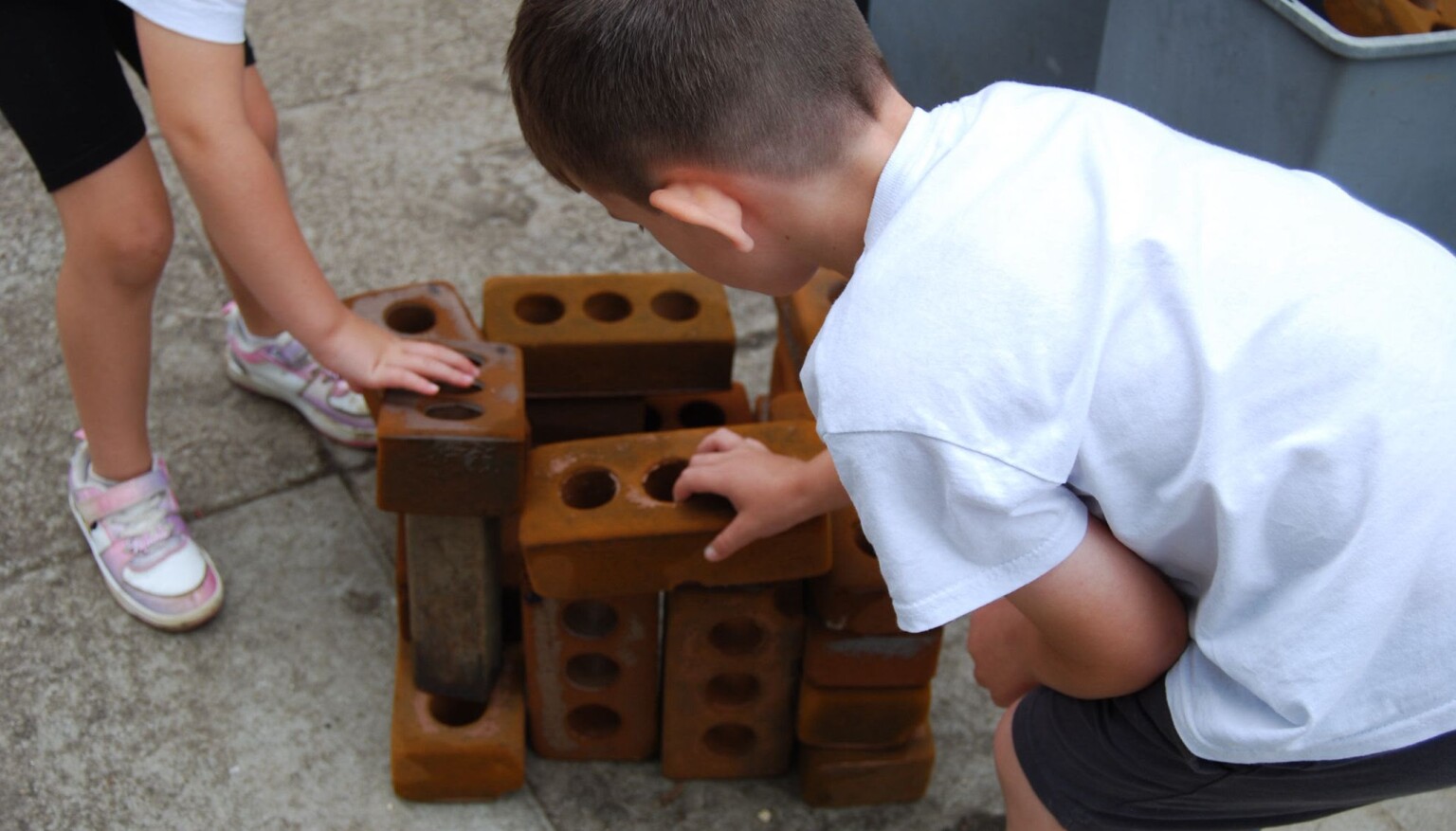
- Citizenship and life skills: teamwork, decision-making, problem solving, financial awareness at a basic level, and leadership through pupil-led projects.
Teaching will use carefully sequenced lessons, explicit vocabulary instruction, modelling and scaffolded discussion. Lessons will interleave concrete examples and progressively more abstract scenarios so pupils can transfer learning to new contexts. Systematic retrieval and deliberate practice will be used to consolidate key concepts, including routines for emotional check-ins, personal safety strategies and key vocabulary. Through the two-year cycle, pupils revisit and deepen their understanding of core concepts, ensuring knowledge is retained and applied effectively over time.
Progression
Learning objectives are mapped progressively across Key Stage 1 and Key Stage 2 so that:
- Key Stage 1 focuses on foundational skills: identifying feelings, forming friendships, understanding personal boundaries, and recognising trusted adults.
- Lower Key Stage 2 builds on that foundation with deeper exploration of respect for difference, practical strategies for conflict resolution, and basic online safety and wellbeing strategies.
- Upper Key Stage 2 develops more complex understanding: consent and bodily autonomy in age-appropriate terms, managing peer pressure, safeguarding with more independence, and leadership and civic responsibility.
Progression ensures mastery of essential concepts before advancing, revisiting the subject’s big ideas regularly and addressing common misconceptions (e.g., assumptions about family structures or stereotypes). Differentiation and targeted support ensure pupils with SEND, EAL or disadvantaged backgrounds make secure progress; leaders will use assessment and tracking systems consistently to identify next steps and adapt provision.
Wider Impact
PHSE/RSE underpins The Monkfield Way by nurturing tolerant, responsible, confident learners who try their best, look after themselves and others, and respect their environment. It directly supports safeguarding priorities by building pupils’ ability to keep themselves safe and to voice concerns. The curriculum fosters inclusion and community cohesion in a diverse school where nearly a third of pupils speak English as an additional language and where some pupils need additional SEND support. Through explicit teaching of vocabulary, scaffolded talk and reading-rich approaches, PHSE/RSE also supports literacy and wider curriculum access.
Aspirational outcomes for pupils: children will leave Year 6 emotionally literate, equipped with practical strategies for wellbeing and safety, respectful of others’ beliefs and differences, and ready to take on the next stage of education with resilience, leadership skills and a clear moral compass. Subject leaders and staff will monitor impact, refine sequencing and pedagogy collaboratively, and ensure PHSE/RSE contributes strongly to pupils’ achievement, personal development and long-term wellbeing.