


Maths at Monkfield Park:
At Monkfield Park, our teaching is designed to engage and inspire children across all aspects of mathematics. We adopt a teaching for mastery approach for mathematics, which is summarised by the following five core elements:
· Coherence: Lessons are broken down into small, connected steps that flow logically.
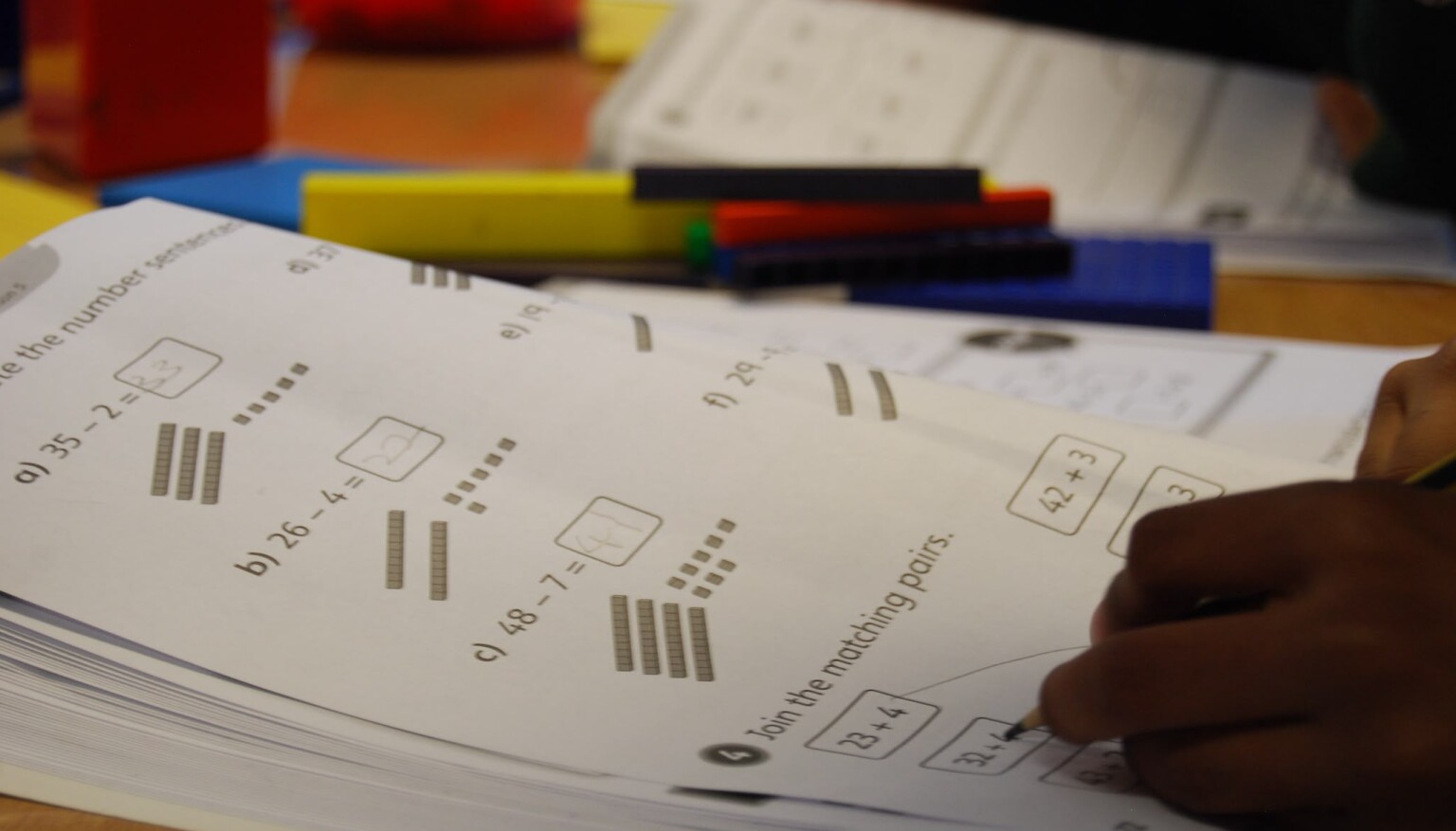
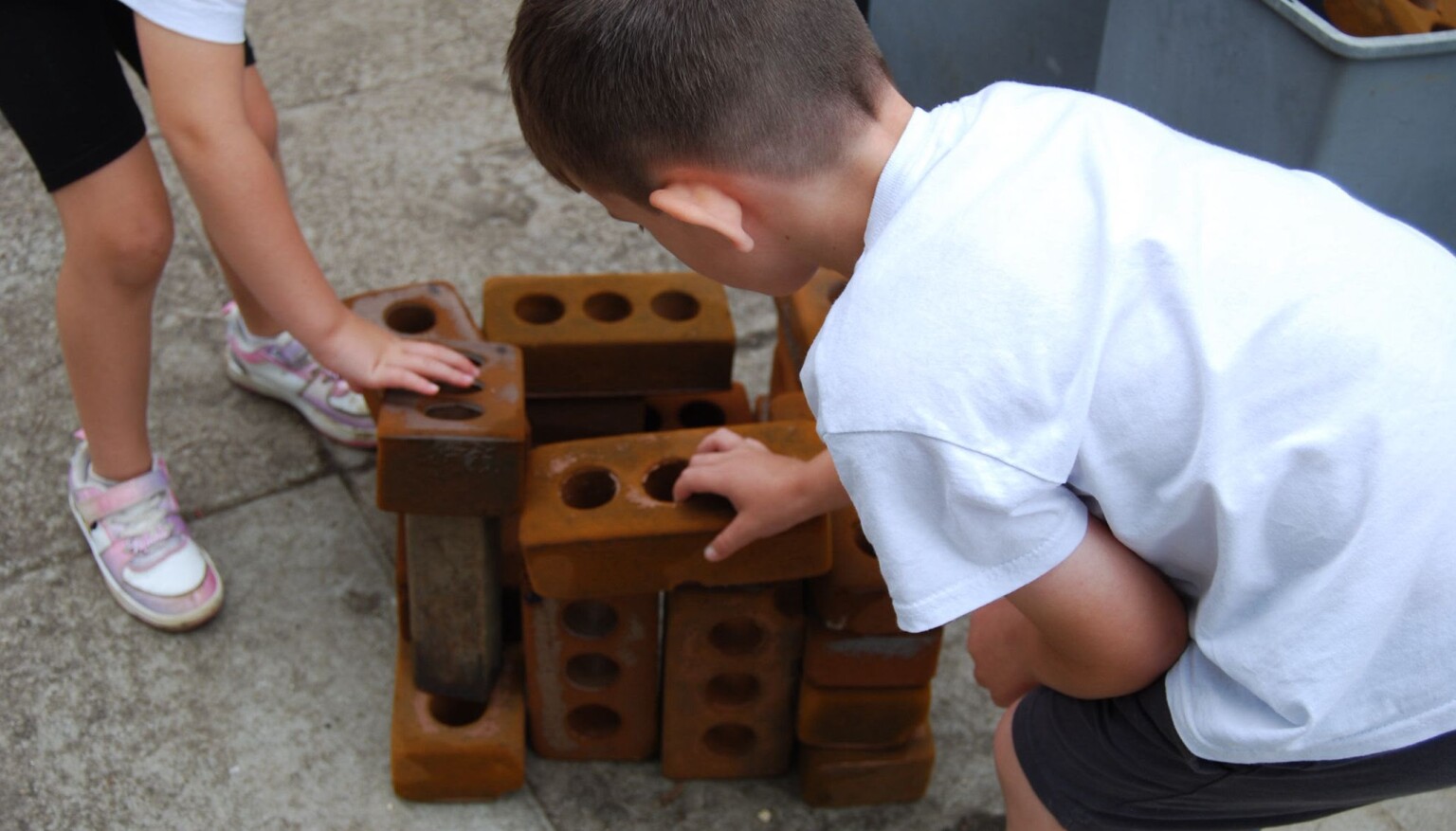
· Representation and Structure: Teachers use physical objects (like blocks) and images (on screen) to make abstract ideas visible.
· Variation: Changing the way a problem is presented helps students see the core mathematical concept.
· Fluency: Children build quick and accurate recall of facts alongside deep conceptual understanding.
· Mathematical Thinking: Children are encouraged to look for relationships, spot patterns, and explain their reasoning using correct vocabulary
We take great pride in the positive attitude our children have towards maths, stemming from the above approach. This is reflected in their enjoyment of the subject and the high number of enthusiastic, well-rounded mathematicians we produce. While not all children naturally love maths, we strive to engage every learner and maintain high expectations for all. By providing targeted support, we enable children to thrive in a subject that builds the foundation for essential life skills.
Key Aims
Our overriding aim for maths is to foster enthusiastic, inquisitive, and confident young mathematicians as follows:
·Fluency: Build secure, deeply embedded number facts throughout children' primary years.
·Progression: Provide a consistent mastery approach, adaptively planned for every group and individual learner.
·Resilience: Nurture determined problem-solvers who see mistakes as valuable learning opportunities.
· Curiosity: Grow inquisitive thinkers who are confident to explore new mathematical concepts.
·Context: Bring maths to life by using our school grounds and the local area for practical and real-life learning opportunities.
·Ambition: Broaden and deepen understanding across the full depth of the year-group curriculum.
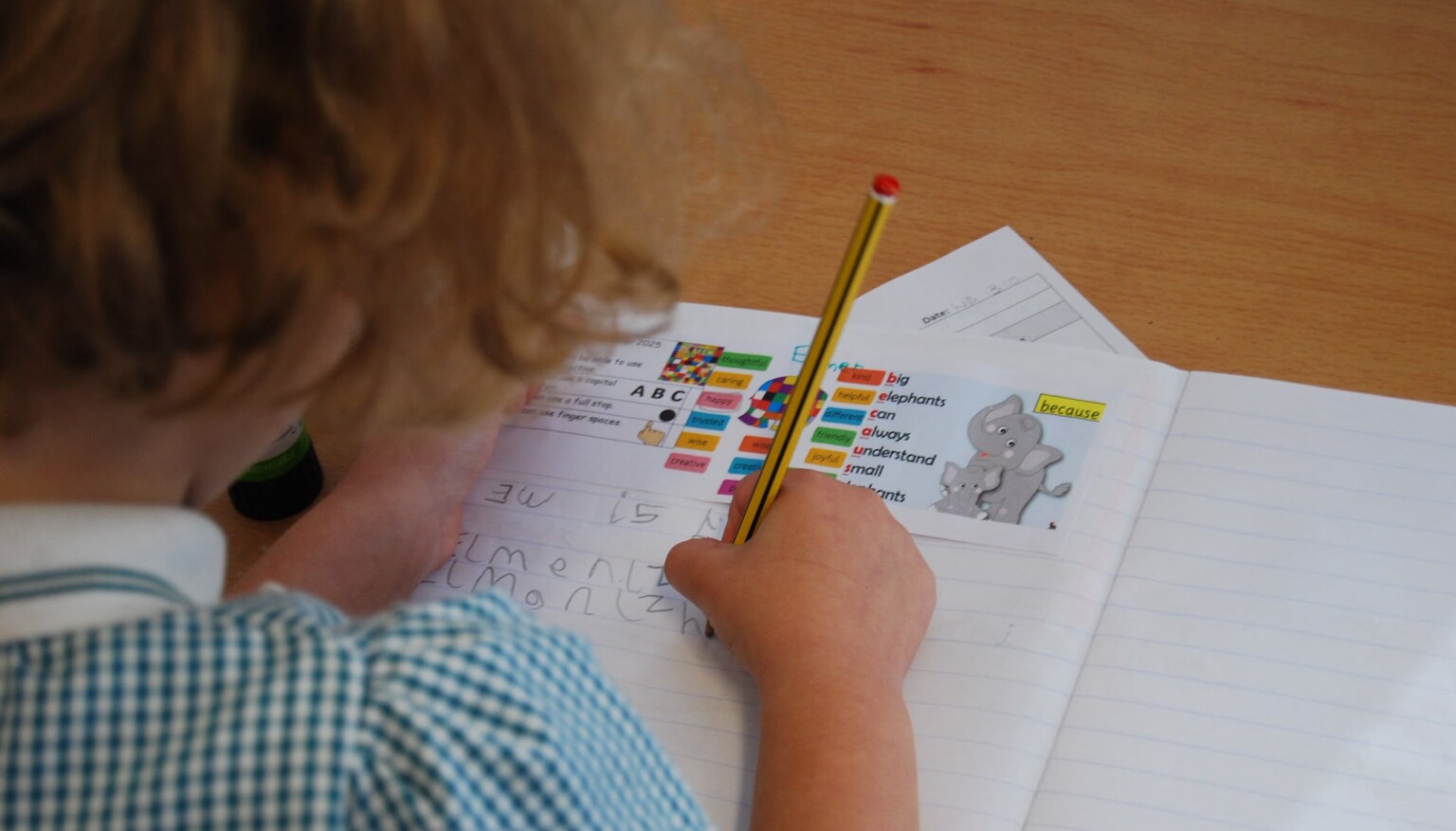
·Pride: Enforce clear presentation standards, including neat number formation, one digit per square, and ruled lines.
·Engagement: Deliver fun, hands-on lessons and games that spark a lifelong enjoyment of maths.
·Collaboration: Promote teamwork where children constructively challenge and support each other.
Content and Skills
Content
As a state funded school we are required to follow the Early Years Foundation Stage Framework for Nursery and Reception and The Programme of Study for Key Stages 1 and 2. Full copies of these documents can be found on gov.uk.
Skills
With a maths mastery approach, our children develop deep conceptual understanding, fluent recall, and reasoning skills by moving from early concrete experiences to abstract fluency by Year 6. Here is a summary of skills through the primary age phases.
Early Years (Nursery and Reception)
·Cardinality and counting: Grasping that a number represents a specific quantity (howmanyness) and mastering one-to-one correspondence.
·Comparison: Determining when quantities or measures are worth more, less, or equal.
· Composition: Understanding how numbers are made up of smaller numbers (e.g., seeing that 5 is made of 3 and 2).
·Pattern and shape: Spotting repeating sequences and exploring spatial awareness through physical objects.
Key Stage 1 (Years 1 & 2)
· Number sense: Building firm foundations in addition, subtraction, and place value using the CPA (Concrete–Pictorial–Abstract) approach.
·Fluency with facts: Recalling number bonds and basic multiplication/division facts accurately without rote memorization.
·Mathematical thinking: Using physical objects and visual models to talk about why a calculation works, rather than just how to do it.
Lower Key Stage 2 (Years 3 & 4)
·Multiplicative reasoning: Mastering times tables up to 12x12 and applying them to scaled problems and fraction work.
·Flexibility in calculation: Using varied representations and conceptual variation to see numbers from multiple perspectives.
·Verbalising reasoning: Explaining methods clearly using accurate mathematical vocabulary to prove an answer.
Upper Key Stage 2 (Years 5 & 6)
·Complex problem solving: Breaking multi-step, non-routine word problems down into simpler, logical parts.
· Abstract generalization: Working with large numbers (up to 10,000,000), fractions, decimals, percentages, and early algebra with deep structural awareness.
·Self-correction: Independently identifying errors in calculations and reasoning through alternative methods to verify results.
Progression
With the mastery approach, children progress logically through the curriculum for their year group, with the aim of mastering the curriculum strands as they go. Each year starts with Number and Place Value, building on the content from the previous year. Following this, and dependent on the year, addition and subtraction, multiplication and division, and then other areas of the programme of study for that year. The Power Maths Yearly Overview document is on our website. EYFS equivalent??
Wider impact
We are very proud that our end of Key Stage 2 Statutory Assessment Test (SATs) results in maths have consistently exceeded both county and national levels for several years, however the ultimate success of our maths teaching and learning extends far beyond the classroom walls and formal assessments. By embedding mastery, fluency, and outdoor exploration, we ensure our children leave Monkfield Park as:
· Resourceful Problem Solvers: Children develop a resilient, "can-do" mindset. They see mistakes not as failures, but as essential steps in cracking complex, real-world puzzles.
· Environmentally Aware Thinkers: Through regular outdoor learning, children connect abstract mathematics to nature and geography. They learn to interpret the world through patterns, data, and spatial reasoning.
· Financially Literate Citizens: Automatic number fact retention gives children the cognitive freedom to manage everyday calculations confidently. This builds strong foundations for future financial capability and independence.
· Collaborative Communicators: Whether working in teams outdoors or explaining a mastery concept to a peer, our children learn to debate, justify, and articulate their mathematical thinking with clarity and respect.
Ultimately, we inspire children who do not just "do" maths, but who confidently use it as a tool to explore, understand, and positively impact the world around them.